
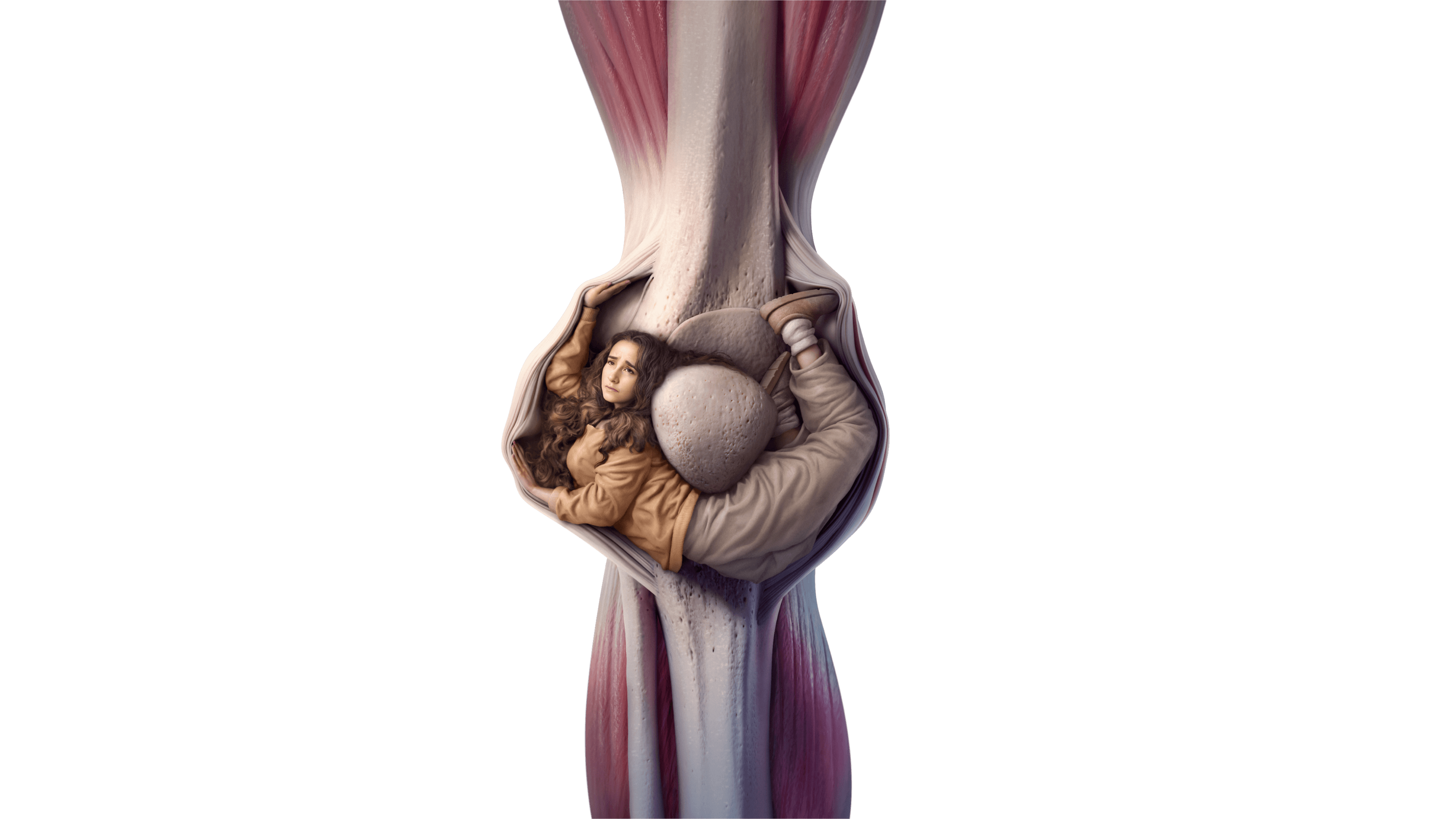
Living with TGCT (sometimes known as pigmented villonodular synovitis [PVNS]) can be challenging and treatment might not fully resolve symptoms. However, there may be a few things you can try to help reduce the impact of symptoms.1,2
The information provided here is intended to support your understanding of managing TGCT and should not replace professional medical advice. Always consult your healthcare provider with any questions you may have regarding a medical condition.

Easing joint pain
Treatment for joint pain depends on what's causing it. Sometimes the pain might go away without treatment.3
Below are a few examples of things you can do to ease joint pain:
-
 Try to rest the affected joint if you can3
 - Put an ice pack (or bag of frozen peas) wrapped in a towel on the painful area for up to 20 minutes every 2 to 3 hours3
- Try to lose weight if advised to by your healthcare team3
- Talk to your doctor, nurse or pharmacist about over-the-counter painkillers.3 It’s important to talk with your healthcare team about the possible risks and benefits of painkillers. They’ll help decide what’s best for you.1
If you’re experiencing joint pain, be sure to talk to your doctor – they can give you the best advice and treatment options for your situation.

BALANCING NUTRITION
Some people may be advised to change their diet and/or take supplements to improve overall health. Certain foods can help reduce inflammation, which might be beneficial for conditions like TGCT which cause inflammation in the affected areas.4,5
However, it is important to remember that these changes may not affect the symptoms of TGCT. Currently, there is no research to support the benefit of specific changes to diet for TGCT.4,5

PHYSIOTHERAPY
Certain types of exercise can help to restore strength and range of motion in joints, typically after surgery. You might work with a physical therapist, who will create a physical exercise plan tailored to you.6,7
Walking and other gentle activities can help to keep blood flowing around the joints and restore muscle strength.6,7
Regular physical exercise is key to living a healthy lifestyle. For most people, the easiest way to get moving is to make exercise part of everyday life, like walking or cycling instead of taking the car. In general, the more you do, the better for your overall health and wellbeing.6,7
Physiotherapy may be recommended by your doctor if it is appropriate for your care. If you have any questions or concerns, please speak with your doctor.
Real experiences,
real support.
Meet Ramon, who is living with TGCT. Watch this video to learn more about his story. You can also visit our Patients Stories page to hear from others affected by TGCT.


My life with TGCT
 Visit the Resources page for additional information on TGCT
References:
- Stacchiotti S, et al. Cancer Treat Rev. 2023;112:102491.
- Stern S, et al. Future Oncol. 2025:1–10.
- NHS. Joint pain. Available at: https://www.nhs.uk/symptoms/joint-pain/ Accessed: January 2026.
- TGCT Support. Nutrition. Available at: https://www.tgctsupport.org/nutrition.html Accessed: January 2026.
- Gioia C, et al. Nutrients. 2020;12(5):1456.
- Dutta S, et al. Cureus. 2024;16(2):e54877.
- NHS. Physical exercise. Available at: https://www.nhs.uk/live-well/exercise/ Accessed: January 2026.
DCPH-P02572 | January 2026